
(Pros, Cons, and Everything You Need to Know Before Bringing One Home)
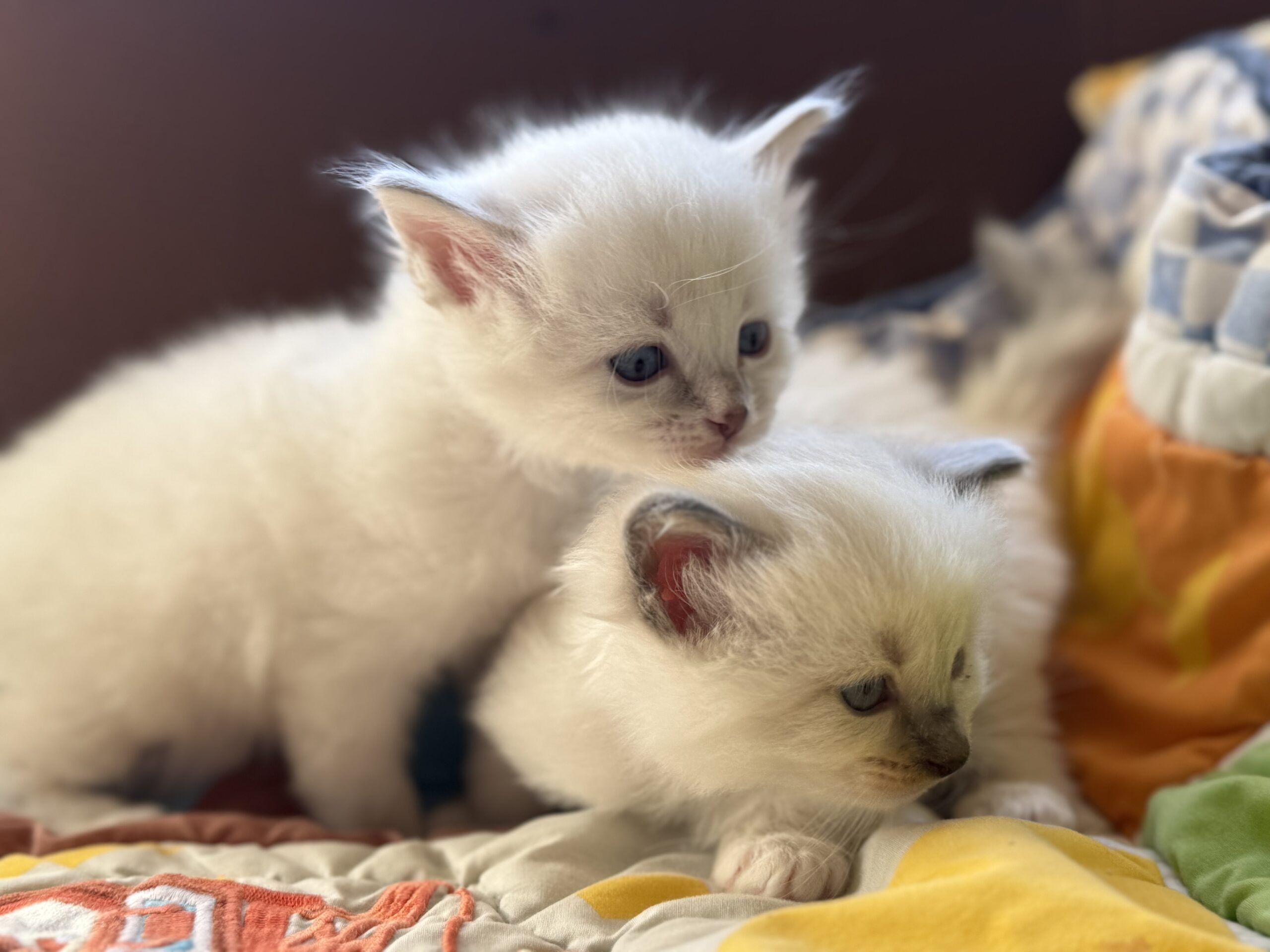
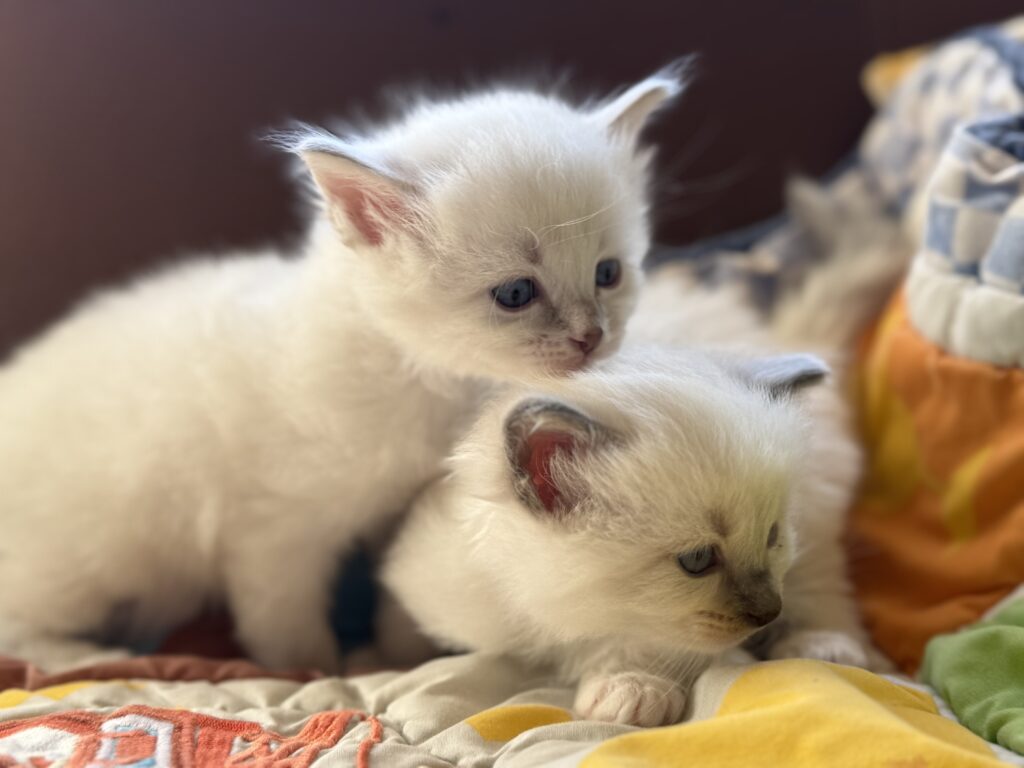
There is something almost magnetic about a Seal Mitted Ragdoll. The soft cream-and-brown coloring, the white-gloved paws, those famously blue eyes – they have a way of stopping you mid-scroll and making you think: that is the one. But as with any cat, the way a breed looks and the way it actually fits into your daily life are two very different things.
Before you fall completely in love (too late, probably), it is worth taking an honest look at what life with a Seal Mitted Ragdoll is really like. This is not a breed for every household – but for the right family, it can be one of the most rewarding cat experiences you will ever have.
What Exactly Is a Seal Mitted Ragdoll?
Ragdolls are a relatively young breed, developed in California in the 1960s by a breeder named Ann Baker. They earned their name from a rather unusual trait: when picked up, they tend to go completely limp and relaxed, like a ragdoll toy. It is a real phenomenon, not just folklore, and it speaks to the breed’s unusually calm temperament.
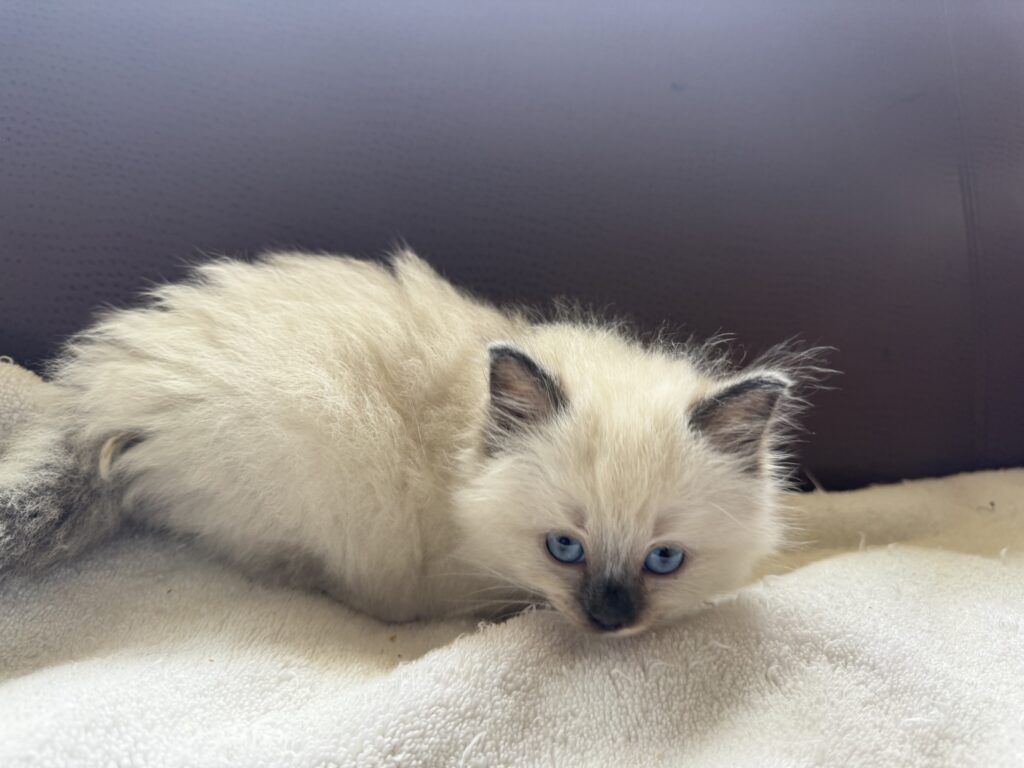
Within the Ragdoll breed, “Seal” refers to the color – a rich, dark brown that appears on the face, ears, legs, and tail, set against a lighter cream or fawn body. “Mitted” describes the pattern: white paws on the front feet (the mittens), white boots on the back legs, and often a white chin and belly stripe. The combination creates a distinctly elegant, almost tuxedo-like look.
These are large cats – males commonly reach 15 to 20 pounds – and they take their time growing up, not reaching full maturity until around age four. Their eyes are always blue, required by breed standards, and that feature alone tends to stop people in their tracks.
The Pros: Why Families Love Them
1. They are genuinely gentle
If you have ever owned a cat with a mercurial personality – loving one moment, swatting the next – a Ragdoll will feel like a revelation. This breed is known for being consistently calm and tolerant. They rarely scratch or bite even when handled awkwardly, which makes them one of the better choices for households with young children who haven’t yet learned how to handle animals gently.
That said, gentle doesn’t mean passive or boring. Ragdolls are affectionate and interactive – they will follow you from room to room, greet you at the door, and find ways to insert themselves into whatever you are doing. They just do all of this without the drama.
2. They are great with kids and other pets
Ragdolls are widely regarded as one of the most family-friendly cat breeds. Their patience with children is notably high, and they tend to get along well with dogs too, especially if introductions are handled thoughtfully. If you already have other cats, a Ragdoll is unlikely to come in with its hackles up. They generally prefer harmony over conflict.
3. They adapt well to indoor life
Unlike some breeds that go stir-crazy without outdoor access, Ragdolls are genuinely content living indoors. In fact, most Ragdoll breeders will insist on it – the breed’s trusting nature makes them poorly suited to navigating the hazards of outdoor life. For apartment dwellers or people in busy urban areas, this is a real advantage.
4. They are quiet and low-drama
Ragdolls have soft voices and use them sparingly. You won’t be woken up at 3 a.m. by a cat yowling for attention. They communicate, but they do it subtly – a quiet chirp, a persistent presence near your feet. For people who love cats but not chaos, this is a significant selling point.
5. That coat is as soft as it looks
Seal Mitted Ragdolls have semi-long, silky fur that is closer to rabbit fur than the coarser coats found on many long-haired breeds. It is remarkably pleasant to touch, and it tends to mat less than you might expect. The aesthetic payoff is hard to overstate – these are genuinely beautiful cats.
The Cons: What to Think Carefully About
1. They need company – a lot of it
The flip side of the Ragdoll’s sociable nature is that they don’t cope well with being left alone for long stretches. If your household is empty for eight or ten hours a day, a Ragdoll left by itself can become genuinely unhappy – withdrawn, anxious, or destructive. Many owners address this by adopting two Ragdolls together, which helps, but it does double the commitment.
This is a cat that wants to be part of your life, not just your home. If that is not something your schedule allows for, it is worth considering a more independent breed.
2. They shed — and then some
That beautiful semi-long coat comes with a cost: fur. Ragdolls shed year-round, with heavier shedding seasons in spring and fall. You will find fur on your clothes, your furniture, and in corners you didn’t know existed. Regular brushing – ideally two or three times a week – helps significantly, but if shedding is a dealbreaker for you, this is not your breed.
3. They come with real health considerations
Ragdolls are prone to hypertrophic cardiomyopathy (HCM), a form of heart disease that can affect the breed. Responsible breeders test their breeding cats for this condition, and you should always ask for documentation. They can also be susceptible to bladder stones and certain kidney issues as they age.
Vet bills for a large cat with potential health conditions add up. Pet insurance is worth factoring into your budget if you are set on this breed.
4. The cost of buying from a reputable breeder is high
A well-bred Seal Mitted Ragdoll from a reputable cattery typically costs between $1,000 and $2,500, sometimes more for show-quality cats. That is before food, litter, vet care, grooming supplies, and everything else. If you see Ragdolls advertised at suspiciously low prices, treat it as a red flag – it often signals poor breeding practices or health-tested shortcuts.
Ragdoll rescues do exist, and they are worth exploring if cost is a concern. You may not find a kitten, but adult Ragdolls are fully as wonderful as kittens – often more settled and easier to live with.
5. Their trusting nature can get them into trouble
Ragdolls have very little street sense. Their instinct is not to run from danger but to approach it curiously. This means they should absolutely be kept indoors, and any outdoor time should be supervised – a secure garden or a leash and harness. They trust too easily to be let loose.
So, Is a Seal Mitted Ragdoll Right for Your Family?
The honest answer is: it depends on your lifestyle more than your preferences.
A Seal Mitted Ragdoll is probably a great fit if you:
- Have a home where someone is around for a good portion of the day
- Have children or other pets you want a cat to coexist with peacefully
- Want a cat that is affectionate and interactive without being demanding or loud
- Are prepared to commit to regular grooming and routine vet care
- Live in an environment where the cat can be safely kept indoors
It might not be the best fit if you:
- Work long hours and live alone without another pet in the house
- Have severe cat allergies – Ragdolls are not hypoallergenic despite the occasional claim to the contrary
- Are not able or willing to deal with significant shedding
- Are looking for a highly independent cat that does not need much attention
A Final Thought
Cats in general tend to get underestimated as low-maintenance pets. The Seal Mitted Ragdoll, in particular, is not a set-it-and-forget-it animal. It is a cat that will want to be near you, that will notice when you are gone, and that will give back warmth in direct proportion to what it receives.
For families who have the time and space for that kind of relationship, few breeds deliver it quite as consistently. The Seal Mitted Ragdoll is, in many ways, what people imagine when they picture the perfect family cat – and for the right household, it really does live up to that idea.
Just be prepared for the fur.
Quick Reference: Seal Mitted Ragdoll at a Glance
Temperament: Calm, affectionate, gentle, people-oriented
Good with children: Yes – one of the best breeds for families with kids
Good with other pets: Generally yes, especially with gradual introductions
Energy level: Moderate – playful but not hyperactive
Grooming needs: Medium-high – brush 2-3x per week, more during shedding season
Shedding: Heavy – year-round with seasonal peaks
Noise level: Low – soft, quiet vocalizations
Indoor/outdoor: Indoor only – not suited to unsupervised outdoor time
Lifespan: 12 to 17 years on average
Key health watch: Hypertrophic cardiomyopathy (HCM), bladder stones
Cost: $1,000 to $2,500+ from reputable breeders
