
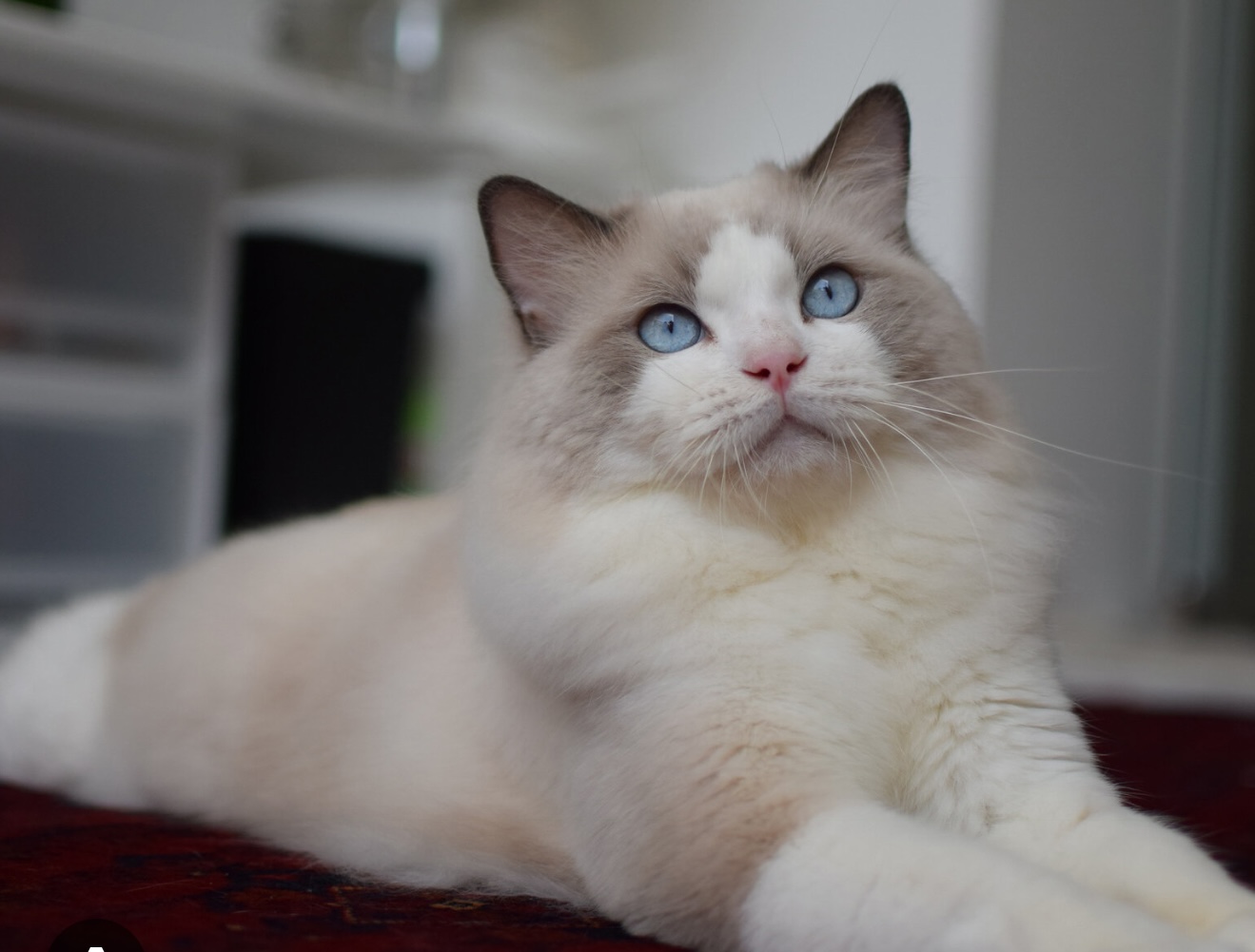
There is something undeniably special about a bicolor Ragdoll kitten. With their striking two-tone coats, vivid blue eyes, and laid-back personalities, these cats have built a devoted following among cat lovers across the world. If you have been searching for a bicolor Ragdoll kitten to bring into your home, you are not alone, demand for this particular pattern has grown steadily over the years, and the process of finding one from a reputable source deserves more than a casual online search.
This guide will walk you through what to expect when looking for bicolor Ragdoll kittens, how to evaluate breeders, and what questions you should be asking before you commit.
What Makes a Ragdoll ‘Bicolor’?
The Ragdoll breed comes in several recognized patterns like colorpoint, mitted, and bicolor. The bicolor pattern is defined by an inverted V-shaped marking on the face, white legs, white underside, and a colored body and tail. The contrast between the darker body color and the white areas gives bicolor Ragdolls their particularly dramatic appearance.
Common color combinations include seal bicolor, blue bicolor, chocolate bicolor, and lilac bicolor, though rarer variations like flame and cream also exist. The exact expression of the pattern can vary from one kitten to the next, even within the same litter, which is part of what makes each cat so unique.
Understanding Availability
One of the first things prospective owners discover is that finding a bicolor Ragdoll kitten is rarely as simple as placing an order. Reputable breeders typically have waiting lists, and the specific pattern and color you are hoping for may take several months or sometimes longer to become available but it depends.
A few things influence availability:
- Litter size and pattern distribution. Not every kitten in a litter will be bicolor. Breeders work with genetics carefully, but results vary from one litter to the next.
- Breeding frequency. Responsible breeders do not overbreed their queens. Most breed a queen only two to three times per year at most, which naturally limits how many kittens are available at any given time.
- Demand for specific combinations. Seal bicolor tends to be the most sought-after variation, which means waitlists for that particular look can be longer than for other color combinations.
- Geographic limitations. Quality breeders are not evenly distributed across every region, and some prospective owners may need to look beyond their immediate area or consider working with a breeder willing to ship kittens safely.
How to Find a Reputable Breeder
The internet is full of listings for Bicolor Ragdoll kittens, and not all of them come from places you would want to support. Kitten mills exist in the cat world too, and a bicolor Ragdoll purchased from an irresponsible source is more likely to come with hidden health issues, behavioral problems, or incorrect breeding documentation.
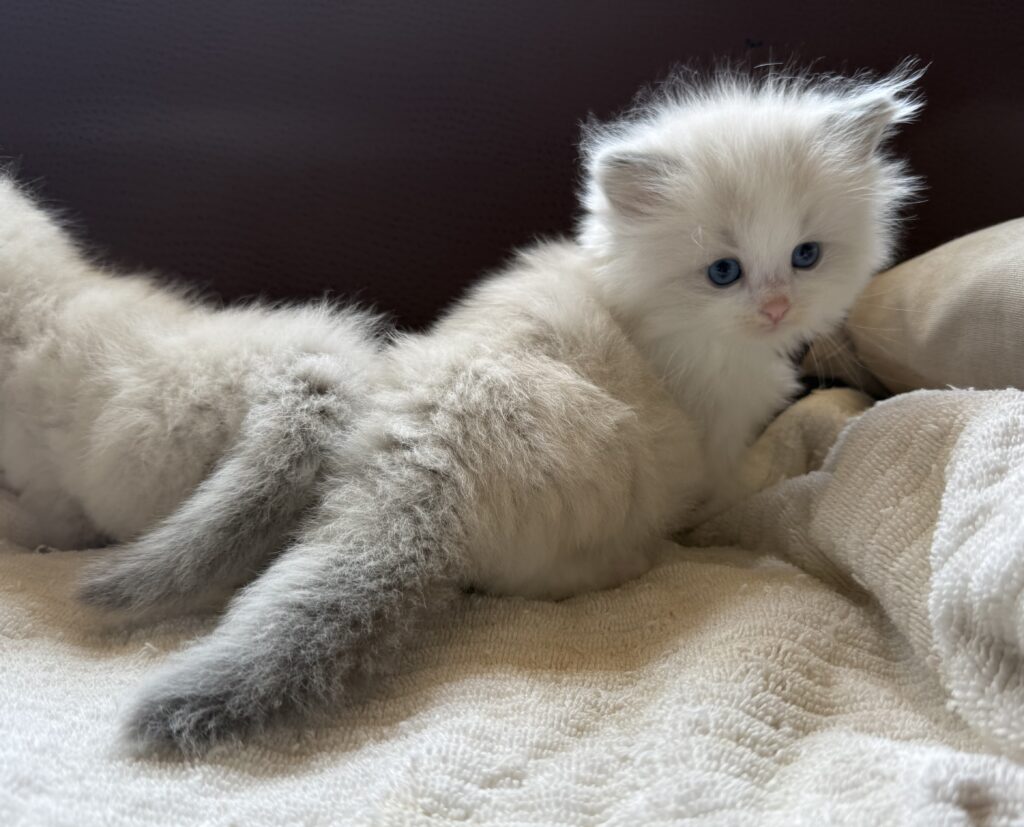
Start your search in the right places:
- TICA and CFA registered breeders. The International Cat Association (TICA) and the Cat Fanciers’ Association (CFA) both maintain breeder directories. Breeders registered with these organizations agree to follow breed standards and ethical practices.
- The Ragdoll Fanciers Club International (RFCI). This organization is dedicated specifically to the Ragdoll breed and can be a useful resource for locating breeders who specialize in the pattern and color you are looking for.
- Referrals from existing Ragdoll owners. Breed-specific Facebook groups and forums are excellent places to ask for recommendations. People who have already gone through the process are often happy to share their experience.
- Cat shows. Attending a local cat show where Ragdolls are exhibited gives you a chance to meet breeders in person, see their cats up close, and get a feel for how seriously they take the breed.
Questions to Ask a Breeder
A good breeder will welcome your questions. If someone seems evasive or tries to rush you through the process, that is a warning sign worth paying attention to. Here are some key things to ask:
- Are the parents health tested? Ragdolls can be prone to hypertrophic cardiomyopathy (HCM) and polycystic kidney disease (PKD). Responsible breeders test their breeding cats for these conditions and should be able to provide documentation.
- Can I visit the cattery? Even if you are purchasing from out of state, a reputable breeder should be open to video calls showing the space where kittens are raised. Kittens raised underfoot in a home environment tend to be better socialized than those kept in isolated cages.
- What is included in the purchase? Most established breeders send kittens home with a health guarantee, vaccination records, a microchip, a spay or neuter agreement for pet-quality kittens, and sometimes a small supply of the food they have been eating.
- What support do you offer after the sale? Breeders who truly care about their kittens remain available to answer questions even after the kitten goes home. Many will ask to be kept updated as the kitten grows.
Red Flags to Watch Out For
Not every listing that uses the word “registered” or “champion bloodlines” reflects a trustworthy operation. Watch out for these warning signs:
- Kittens available immediately with no wait. Reputable breeders almost always have some kind of waitlist. If a breeder always has kittens ready to go with no delay, it may indicate overbreeding.
- Prices that seem too low. A well-bred bicolor Ragdoll from health-tested parents typically costs between $1,200 and $2,500 or more depending on color, pedigree, and region. Prices significantly below this range can indicate that corners are being cut.
- No health testing records. Refusal to share HCM or PKD test results from the parents is a significant concern.
- Reluctance to answer questions or provide references. A trustworthy breeder should be able to connect you with previous buyers who can speak to their experience.
Preparing for Your Kitten’s Arrival
Once you have found the right breeder and secured your place on a waitlist, the waiting period is a good time to prepare your home. Ragdolls are large cats like males often reach 15 to 20 pounds, so investing in appropriately sized furniture and litter boxes from the start will save you from replacing things later.
These cats are social by nature and do not thrive in isolation, so plan for plenty of interaction time. If you travel frequently or work long hours, consider whether a companion cat might be a good idea – Ragdolls tend to do well with other cats when properly introduced.
Make sure your veterinarian is familiar with the breed, as some health considerations are specific to Ragdolls. Establishing a relationship with a vet before your kitten arrives means you have someone to call right away if any concerns come up during those first few weeks.
A Few Final Thoughts
Finding a bicolor Ragdoll kitten the right way takes patience. It means doing your research, asking hard questions, and being willing to wait for a kitten from a breeder whose standards you respect. The extra effort pays off – a well-bred Ragdoll raised by a caring breeder tends to be healthier, better socialized, and a more confident companion.
When you eventually bring that kitten home, floppy and purring in your arms, you will know the wait was worth it.
