
(Complete Guide 2026)
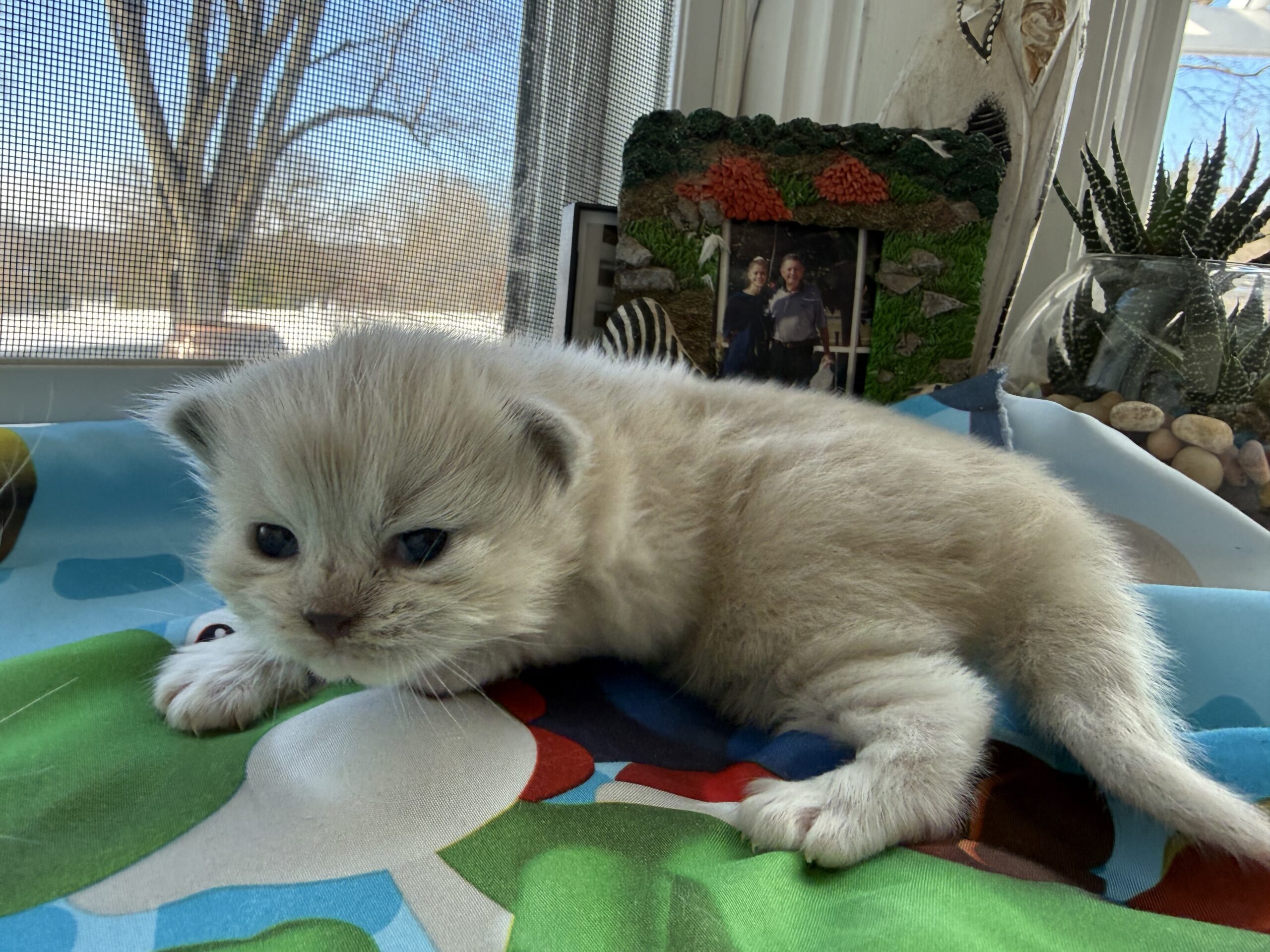
Ragdolls are one of the most beloved cat breeds in America, and it is not hard to understand why. They are big, soft, blue-eyed beauties that go limp in your arms when you pick them up – hence the name. They are gentle with children, calm around dogs, and happy to follow you from room to room like a loyal puppy. If you have decided a Ragdoll is the right cat for your family, the next step is finding one from a source you can genuinely trust.
That part, unfortunately, is not as simple as it sounds. The Ragdoll’s popularity has made the breed a target for unethical breeders and online scammers who are more focused on profit than on producing healthy, well-socialized cats. This guide will walk you through exactly where to look, what to ask, and what red flags to walk away from – so that when you bring your kitten home, you can feel confident you made the right choice.
1. Understanding What a Responsible Ragdoll Breeder Looks Like
Before you start browsing listings, it helps to know what a reputable breeder actually does differently. Responsible breeders are not just people who own two Ragdolls and let them have a litter. They are serious hobbyists or small-scale professionals who have invested years into understanding the breed’s genetics, health requirements, and temperament standards.
A responsible Ragdoll breeder typically:
- Is registered with a recognized cat association, most commonly TICA (The International Cat Association) or CFA (Cat Fanciers’ Association).
- Tests breeding cats for HCM (hypertrophic cardiomyopathy), a hereditary heart condition that affects the breed, as well as PKD (polycystic kidney disease).
- Raises kittens inside the home, not in a garage or outdoor cattery, so they are properly socialized from birth.
- Does not send kittens home before 12 weeks of age — and many wait until 14 to 16 weeks.
- Provides a written health guarantee and is willing to take the kitten back if you can no longer care for it at any point in its life.
- Welcomes questions and is happy for you to visit in person before purchasing.
If a breeder meets most of these criteria, you are already in good hands. If they cannot or will not speak to these points, keep looking.
2. The Best Places to Start Your Search
TICA and CFA Breeder Directories
The most reliable starting point for finding a legitimate Ragdoll breeder is through the official breeder directories of TICA (tica.org) and CFA (cfa.org). Both organizations maintain searchable databases of registered catteries across the United States. While registration alone does not guarantee quality, it does mean the breeder has agreed to follow a code of ethics and is operating under their real name — a level of accountability that matters.
Use the TICA breed directory to filter specifically for Ragdoll breeders in your state or region. From there, visit each cattery’s website, read their policies, and reach out with questions before you ever commit to anything.
The Ragdoll Fanciers Club International (RFCI)
The RFCI is a breed-specific organization dedicated entirely to Ragdolls. Their website maintains a member breeder list, and membership in the RFCI signals a deeper commitment to the breed than general cat association registration alone. Many of the most experienced Ragdoll breeders in the country are RFCI members. It is worth checking their directory at ragdollfanciers.com as part of your search.
Ragdoll-Specific Facebook Groups and Forums
Online Ragdoll communities can be a surprisingly useful resource, not because breeders advertise there directly (though some do), but because experienced Ragdoll owners and enthusiasts can point you toward breeders they trust from personal experience. Groups like “Ragdoll Cats” and “Ragdoll Kittens” on Facebook have tens of thousands of members. Post a question asking for breeder recommendations in your area and you will typically get honest, candid responses from people who have no financial stake in the answer.
Cat Shows
Attending a sanctioned TICA or CFA cat show is one of the most underrated ways to find a reputable breeder. Breeders who show their cats are invested in the breed standard and are often proud to talk about their program. You can meet the cats in person, see how they are handled, and have genuine conversations with breeders in a low-pressure environment. Shows are held throughout the year in most major metro areas — check tica.org or showcats.org for upcoming events near you.
3. What to Expect When You Contact a Breeder
Good breeders are busy, and kittens from well-regarded catteries often come with a waitlist that stretches months into the future. Do not let this discourage you. A waitlist is actually a green flag — it means demand is high because the breeder has a reputation worth waiting for.
When you reach out, expect to be asked questions yourself. A breeder who cares about their kittens will want to know:
- Whether you have owned cats before, and specifically whether you have experience with Ragdolls.
- Whether the kitten will live indoors — Ragdolls are not suited to outdoor life.
- Whether you have children or other pets.
- Whether you plan to spay or neuter the kitten (required for pet-quality placements).
If a breeder asks you nothing and simply sends a PayPal link, treat that as a warning sign. The transaction should feel like a two-way conversation, not a vending machine.
4. Health Testing: What to Ask For and Why It Matters
Ragdolls are a generally healthy breed, but they do carry a genetic predisposition to hypertrophic cardiomyopathy, which is a thickening of the heart wall that can cause serious cardiac problems in affected cats. The good news is that responsible breeders test for this condition regularly.
Here is what you should ask about before placing a deposit:
- HCM cardiac ultrasound screening: Breeding cats should be scanned by a board-certified veterinary cardiologist at regular intervals. Ask when the parents were last screened and request documentation.
- HCM genetic testing: There is a known HCM mutation (MyBPC3-A31P) in Maine Coons, but the picture in Ragdolls is more complex. Many reputable breeders still run genetic panels to rule out known mutations, even though a negative genetic result does not fully replace ultrasound screening.
- PKD testing: Polycystic kidney disease can be screened via a simple DNA test. Responsible breeders test for this before ever including a cat in their breeding program.
- FIV/FeLV testing: Ask whether the breeding cats are tested for feline immunodeficiency virus and feline leukemia virus. This is standard practice in responsible catteries.
A breeder who has nothing to hide will have no problem providing copies of test results. If they get defensive when you ask, that tells you something important.
5. Price Ranges: What to Expect in 2026
Ragdoll kittens from reputable, health-tested breeders in the United States typically range from $1,200 to $2,500 for pet-quality placements. Show or breeding-quality kittens can run significantly higher. Prices vary by region, color and pattern, lineage, and the breeder’s reputation.
If you see Ragdoll kittens advertised for $300 to $600, be cautious. That price point rarely reflects the cost of proper health testing, veterinary care, quality nutrition for the mother during pregnancy, and the breeder’s time. It usually means corners are being cut somewhere — and those corners often show up later in the form of vet bills or behavioral issues.
That said, a high price tag alone does not guarantee quality. Always do your homework regardless of what a breeder is charging.
6. Red Flags to Watch Out For
Online kitten scams have unfortunately become common, and Ragdolls are a frequent target because of their price and desirability. Here are the warning signs that should give you pause:
- The breeder will not video call with you or allow an in-person visit before purchase.
- Kittens are offered at unusually low prices with vague explanations like “rehoming fee” or “shipping emergency.”
- The seller insists on payment through Zelle, Venmo, Cashapp, or gift cards only — methods with no buyer protection.
- Photos appear to come from a stock photo site or reverse image search shows them used in multiple listings.
- The kitten is available to go home at 6 or 8 weeks — too young for a healthy transition.
- There is no mention of health testing, vaccinations, or deworming history.
- The breeder cannot tell you basic details about the kitten’s parents or lineage.
- You are told shipping is available immediately with no need to speak further — this is a classic scam template.
Trust your gut. If something feels off, it is worth stepping back and continuing your search elsewhere.
7. Considering Ragdoll Rescue as an Option
Not every Ragdoll needs to come from a breeder. There are Ragdolls and Ragdoll mixes in rescue situations across the country, and adopting one can be a deeply rewarding experience. Breed-specific rescues like Ragdoll Rescue USA and Rescue Me (ragdoll.rescueme.org) maintain listings of cats in need of homes. Petfinder and Adopt-a-Pet are also worth checking regularly, filtering by breed.
Adult Ragdolls from rescue are particularly worth considering if you have a busy household. Their personality is already fully formed, they are past the destructive kitten phase, and their temperament is known. Many rescue Ragdolls end up in shelters through no fault of their own — owner deaths, divorces, or allergies – and they make wonderful companions.
8. Questions to Ask Before You Put Down a Deposit
Once you have found a breeder who seems legitimate and whose kittens look healthy, here is a checklist of questions to ask before you commit financially:
- Can I see the parents, or at least the mother, in person or on a live video call?
- What health tests have been done on the breeding cats, and can I see the paperwork?
- What vaccinations will the kitten have received before coming home?
- Has the kitten been dewormed and treated for parasites?
- What does the health guarantee cover, and for how long?
- What food is the kitten currently eating?
- How have the kittens been socialized — are they exposed to children, noise, and handling?
- What is your policy if I am unable to keep the kitten at some point in the future?
- Are you a member of any cat associations, and can I verify your registration?
A confident, reputable breeder will be glad to answer every one of these questions. They want their kittens going to informed, caring homes just as much as you want a healthy, happy cat.
9. Preparing Your Home for a Ragdoll Kitten
While you are waiting for your kitten to be ready, use the time well. Ragdolls are large cats — males regularly reach 15 to 20 pounds — so they need sturdy, tall cat trees, not the wobbly little ones designed for smaller breeds. They also tend to be less agile than some breeds and can misjudge jumps, so keep high-risk climbing situations in mind when arranging your space.
Ragdolls have semi-long coats that mat if not brushed regularly. A stainless steel comb and a slicker brush used two or three times per week will keep their coat in good shape and reduce hairballs. Starting this routine from kittenhood makes it a positive bonding activity rather than a battle.
Because they are so trusting and laid-back, Ragdolls should be kept strictly indoors. They do not have the street smarts of more independent breeds and can be seriously harmed outdoors. If you want them to experience fresh air, a secure catio or supervised leash walks are much safer options.
Final Thoughts
Finding a healthy Ragdoll kitten in the USA is absolutely possible — there are genuinely wonderful breeders across the country who take real pride in what they do. The key is patience and doing your research before you fall in love with a listing online.
Start with TICA or CFA directories, look into the RFCI, attend a cat show if you can, and ask questions until you feel fully confident. The right breeder will not rush you, will not pressure you, and will seem just as interested in you as a person as they are in the sale.
A Ragdoll raised well, from a healthy line, with proper socialization, can be one of the most rewarding cats you will ever own. They are not just pets — they are genuinely good companions. The extra effort it takes to find the right one is well worth it.
